
Table of Contents
ToggleIntroduction to 3 Inch Hydraulic Water Pumps
Why This Pump Size Matters
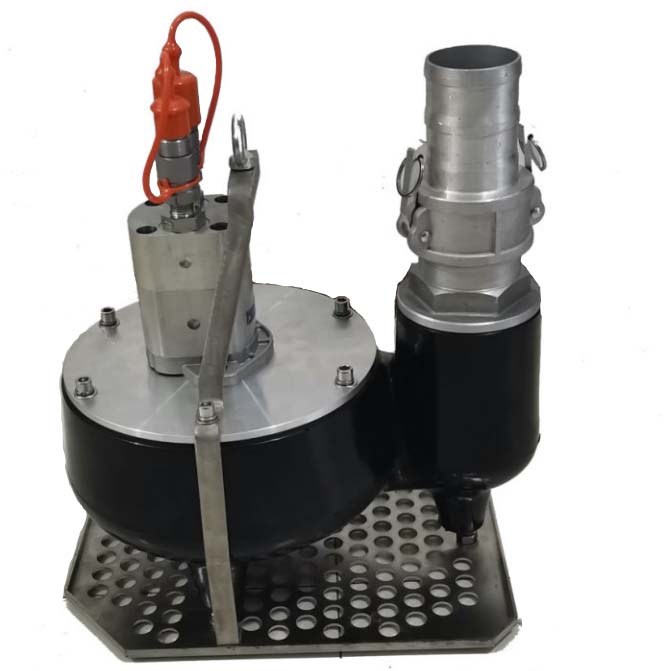
A 3 inch hydraulic water pump occupies a strategic middle ground. Not too small to be underpowered. Not too large to be unwieldy. It delivers a robust flow rate while remaining portable enough for field deployment.
This size has become something of an industry staple. Contractors, farmers, and emergency crews rely on it because it performs without theatrics—steady, dependable, and resilient.
Where It Fits in Modern Operations
Modern operations demand adaptability. Equipment must function in unpredictable environments—mud, debris, confined spaces. A 3 inch hydraulic water pump thrives in these conditions.
It integrates seamlessly with hydraulic systems already present in excavators, skid steers, or power packs. That synergy reduces redundancy and enhances operational efficiency.
Core Specifications
- Size: 3″ (76.2mm) inlet & outlet
- Flow Rate: Typically 120m³/h
- Head (Lift): Max 30m total dynamic head
- Hydraulic Power Requirements:
- Oil Flow: 26-34 LPM
- Pressure: 105-140 bar
- Solids Handling: Can pass solids up to 2.75″ (70mm)
- Weight: ~16kg (121–132lbs)
- Materials: Cast iron/steel casing, stainless steel impeller
Understanding the 3 Inch hydraulic water pump Specification
Flow Capacity Implications
The 3 inch hydraulic water pump designation refers to the diameter of the inlet and outlet ports. This dimension governs how much water can pass through the system within a given timeframe.
Larger diameter means higher throughput. Simple in theory, yet profound in practice. It enables rapid dewatering, efficient transfer, and reduced downtime.
Balancing Size and Performance
There is an elegant equilibrium at play. A 3 inch hydraulic water pump offers substantial flow without excessive bulk. It avoids the logistical complications of larger units while outperforming smaller alternatives.
It is, in many ways, the pragmatic choice.
Performance Metrics That Matter
Flow Rate and Head Pressure
Flow rate defines how much water the pump can move, typically measured in gallons per minute. Head pressure indicates how high or far that water can be transported.
Both metrics must be considered together. High flow with insufficient head is ineffective. Balance is essential.
Efficiency and Power Consumption
Efficiency determines how well the pump converts hydraulic energy into usable output. A highly efficient pump reduces energy waste and operational costs.
In long-term use, this becomes a decisive factor.
Advantages Over Other Pump Types
Hydraulic vs Electric Pumps
Electric pumps require stable power sources. In remote or flooded environments, that requirement becomes a limitation.
3 inch hydraulic water pump bypass this constraint. They operate wherever hydraulic systems exist, offering unmatched flexibility.
Hydraulic vs Gasoline Pumps
Gasoline pumps bring noise, emissions, and maintenance burdens. They also introduce fire risks.
3 inch hydraulic water pump, by contrast, are quieter, cleaner, and inherently safer in volatile conditions. A subtle but meaningful distinction.
common applications of a 3-inch hydraulic water pump
Construction Dewatering
- Trench, pit, basement, and foundation drainage
- Removing groundwater from excavations
- Jobsite flood cleanup and rainwater removal
Mining & Quarrying
- Pumping mine water, slurry, and muddy water
- Dewatering tunnels, shafts, and quarries
- Handling abrasive, solids‑heavy liquids
Municipal & Emergency Flood Control
- Urban flood relief and street drainage
- Sewer bypass pumping
- Emergency drainage after storms or pipe bursts
Wastewater & Sewage Handling
- Municipal sewage transfer
- Pumping wastewater with solids
- Manhole and lift station maintenance
Marine & Offshore
- Barge, ship, and dock bilge pumping
- Harbor and dock dewatering
- Offshore platform wastewater handling
Oil & Gas Industry
- On‑site wastewater and produced water transfer
- Rig and pad site drainage
- Mud and fluid circulation
Agriculture & Farm Use
- Irrigation water transfer
- Pond, lagoon, and ditch cleaning
- Livestock waste water pumping
General Industrial
- Tank and sump cleaning
- Process water circulation
- Solids‑laden fluid transfer in factories
Selecting the Right Pump
Matching with Hydraulic Systems
Compatibility is paramount. The pump must align with the hydraulic system’s flow and pressure specifications.
Mismatch leads to inefficiency—or worse, damage.
Material Considerations
Material selection influences durability. Aluminum offers lightweight portability. Cast iron provides rugged endurance.
The environment dictates the choice. Abrasive conditions demand tougher materials.
Environmental Factors
Consider temperature, debris, and chemical exposure. Each factor affects performance and longevity.
A well-chosen pump anticipates these challenges.