
Table of Contents
ToggleUnderstanding the Role of a Concrete Replacement Hose
A concrete replacement hose does far more than simply move material from point A to point B. It absorbs pressure surges, resists abrasion, and flexes constantly under punishing jobsite conditions. Every pour depends on it, yet it is often the most overlooked component in the entire pumping system.
Why the Hose Is the Most Abused Component
Concrete pumps live hard lives, but the hose takes the brunt of the punishment. It bends, twists, and vibrates while abrasive concrete scours the inner tube with every stroke of the pump. Unlike steel pipe, a hose must remain flexible while enduring high internal pressure. That combination makes wear inevitable. Over time, even premium hoses quietly degrade from the inside out.
Common Signs a Concrete Replacement Hose Is Near Failure
Failure rarely arrives without warning. The problem is that the signals are often subtle and easy to dismiss during a busy pour schedule.
Visible Wear You Should Never Ignore
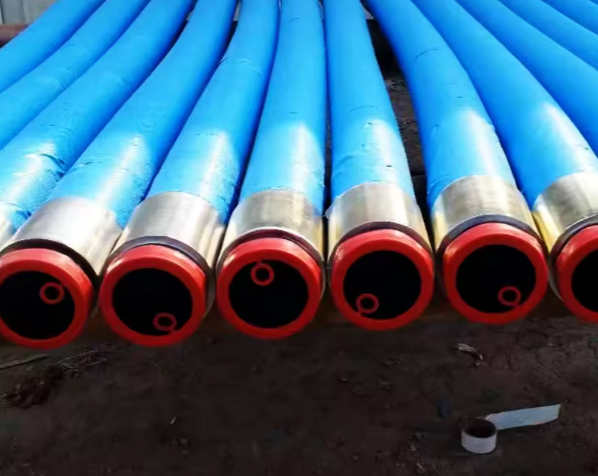
External damage is the most obvious clue. Bulges, soft spots, exposed reinforcement, or cracked covers are not cosmetic issues. They indicate structural compromise. Excessive abrasion near couplings is another danger sign, as this area experiences concentrated stress. If the hose looks tired on the outside, it is almost certainly worse on the inside.
Performance Red Flags During Pumping
Sometimes the hose speaks through behavior rather than appearance. Increased pressure readings, erratic flow, or frequent blockages suggest internal wear or delamination. A hose that feels unusually stiff or, conversely, too spongy under pressure is sending a clear message. Ignoring these symptoms invites sudden and messy failure.
Planned Replacement vs. Emergency Failure
A planned hose swap takes minutes. An unexpected rupture can shut down an entire jobsite. Emergency failures spill concrete, damage equipment, and create safety hazards for crews. The cost difference is dramatic. Scheduled replacement may sting slightly, but reactive replacement bleeds time, money, and goodwill.
Inspection Routines That Actually Work
Visual checks before and after every pour are essential, but they must be intentional. Flex the hose by hand. Feel for soft zones. Pay close attention to coupling areas. Logging hours or cubic yards pumped provides an objective benchmark, removing guesswork from replacement decisions.