
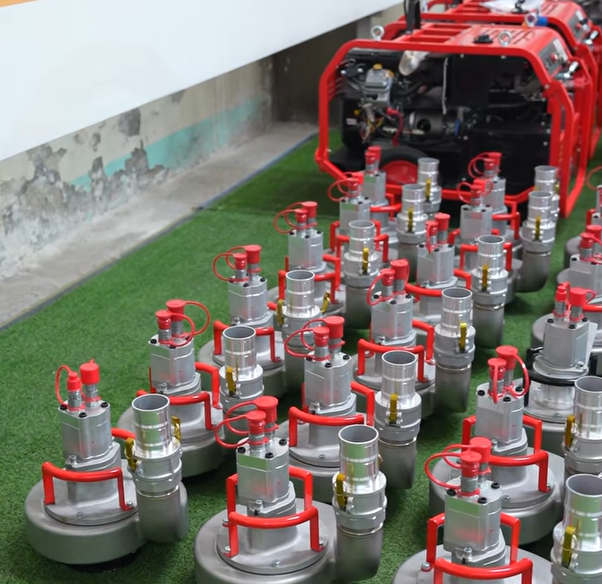
When it comes to dewatering efficiently, two of the most commonly used solutions are hydraulic water pumps and electric water pumps. Each has its own advantages, limitations, and ideal applications. Choosing the right one can significantly impact your project’s efficiency, safety, and overall cost.
In this guide, we’ll compare hydraulic water pumps vs electric pumps in detail, helping you decide which option is best for your needs.
What Is a Hydraulic Water Pump?
A hydraulic water pump is powered by hydraulic fluid supplied from equipment such as an excavator, skid steer, or hydraulic power pack. The hydraulic energy drives a motor, which spins an impeller to move water.
Hydraulic pumps are widely used in:
- Construction sites
- Mining operations
- Flood control and emergency rescue
- Remote locations without electricity
What Is an Electric Water Pump?
An electric water pump uses an electric motor powered by a direct power source such as grid electricity or a generator. It is one of the most common types of pumps used in residential, commercial, and industrial applications.
Electric pumps are typically used in:
- Homes and buildings
- Irrigation systems
- Water supply systems
- Industrial facilities
Key Differences Between Hydraulic and Electric Water Pumps
1. Power Source
- Hydraulic Water Pump: Requires hydraulic power from machinery or a power unit
- Electric Pump: Requires electricity from grid or generator
Hydraulic pumps are ideal when electricity is not available, while electric pumps are convenient where power supply is stable.
2. Portability
Hydraulic Water Pump are generally more portable because they can be connected to existing machinery. Electric pumps often depend on fixed power sources, making them less flexible in remote areas.
3. Performance in Harsh Environments
Hydraulic water pumps perform better in:
- Muddy environments
- Flooded areas
- Dusty or wet conditions
Electric pumps can be sensitive to water exposure and may require additional protection.
4. Safety
Hydraulic Water Pump are safer in flooded environments because they do not use electricity at the pump point. Electric pumps carry a risk of electrical shock if not properly managed.
5. Maintenance
- Hydraulic Water Pump: Require maintenance of hydraulic hoses, oil, and fittings
- Electric Pumps: Require motor maintenance and electrical system checks
Both require regular inspection, but hydraulic systems may need more specialized servicing.
6. Cost
- Electric pumps are usually cheaper upfront
- Hydraulic Water Pump may have higher initial costs but offer better durability in demanding environments
If you already own hydraulic equipment, a hydraulic pump can be more cost-effective.
Advantages of Hydraulic Water Pumps
- Excellent for remote and off-grid locations
- High durability in harsh conditions
- Safe for floodwater pumping
- High power output for heavy-duty tasks
- Can handle dirty water and debris (trash pump models)
Advantages of Electric Water Pumps
- Easy to use and widely available
- Lower initial cost
- Ideal for continuous operation
- Suitable for clean water applications
- Quiet operation in many cases
Disadvantages of Hydraulic Water Pumps
- Requires hydraulic power source
- Higher initial investment if no equipment is available
- More complex setup
Disadvantages of Electric Water Pumps
- Limited use in remote areas without power
- Safety risks in wet environments
- Less durable in harsh conditions

Best Applications for Hydraulic Water Pumps
Hydraulic pumps are the better choice for:
- Construction site dewatering
- Mining and tunneling
- Flood emergency response
- Remote job sites
- Heavy-duty industrial work
Best Applications for Electric Water Pumps
Electric pumps are ideal for:
- Residential water supply
- Irrigation systems
- Indoor installations
- Clean water transfer
- Continuous pumping operations
How to Choose Between Hydraulic and Electric Pumps
Ask yourself the following questions:
- Do you have access to electricity?
- Will the pump operate in wet or flooded conditions?
- Do you need to handle dirty water or solids?
- Is portability important?
- Do you already have hydraulic equipment?
Choose a Hydraulic Water Pump If:
- You work in remote or off-grid locations
- You need high durability and power
- You handle dirty or debris-filled water
Choose an Electric Water Pump If:
- You have reliable electricity
- You need a lower upfront cost
- You are working with clean water
Frequently Asked Questions
Are Hydraulic Pumps More Powerful Than Electric Pumps?
Hydraulic pumps are often more powerful for heavy-duty applications, especially in construction and mining.
Can Electric Pumps Be Used for Flooding?
Yes, but they must be properly insulated and protected to avoid safety risks.
Which Pump Lasts Longer?
Hydraulic Water Pump tend to last longer in harsh environments, while electric pumps perform well in controlled conditions.
Final Thoughts
Both hydraulic water pumps and electric pumps have their place. The right choice depends on your working environment, available power source, and application needs.
If you need portability, durability, and performance in extreme conditions, a hydraulic water pump is the better option. If you require a simple, cost-effective solution for clean water and stable environments, an electric pump is the way to go.
By understanding the differences, you can make a smarter investment and ensure efficient water management for your project.