
Handheld Hydraulic Chipping Hammer
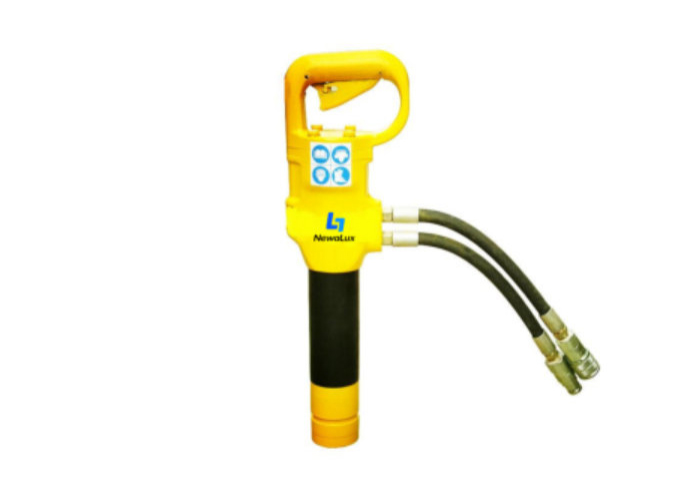
Handheld Hydraulic Chipping Hammer
Product Details:
- Product Type: Handheld Hydraulic Chipping Hammer
- Model: CH08
- Place of Origin: China
Specifications of Handheld Hydraulic Chipping Hammer
NewaLux handheld Hydraulic Chipping Hammer,a tiny and handy hammer,Hold the“D”size handle,which isespecially designed for plane crashing wall &brick &reinforced concrete.All in all,a quitesuitable crashing tool in narrow space.
It is a powerful, precision-engineered tool designed to break, chip, and remove hard materials such as concrete, rock, and asphalt. Unlike conventional tools, it harnesses hydraulic energy to deliver consistent, high-impact force.
These tools are ubiquitous on construction sites, often seen in the hands of skilled operators refining surfaces or removing excess material. Whether shaping stone or dismantling reinforced concrete, the hydraulic chipping hammer offers a blend of finesse and brute strength.
◎Features
◆Light, 8KG in all for handheld Hydraulic Chipping Hammer
◆Hold by two hands easily
◆Quakeproof, heat insulation of shell
◆Independent nitrogen chamber
◆Special chuck, fixable rotating pickaxe
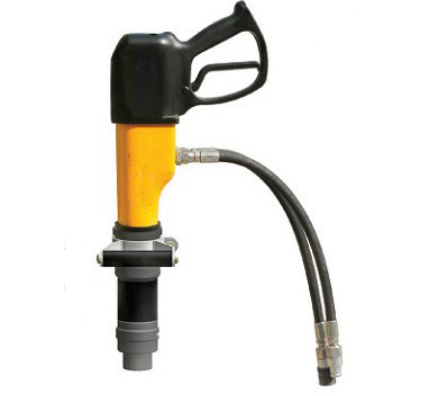
How a Handheld Hydraulic Chipping Hammer Works
The handheld hydraulic chipping hammer operates on fluid dynamics. Pressurized hydraulic oil flows from a power source—typically an excavator or hydraulic power pack—into the hammer’s internal motor system.
Inside, a reciprocating piston oscillates at high frequency. This motion drives the chisel forward with repeated percussive strikes. The result is a rhythmic, almost metronomic impact that fractures material with remarkable efficiency.
Unlike pneumatic systems, hydraulic operation ensures minimal energy loss. The force delivered is both potent and controlled, making it ideal for delicate yet demanding tasks.
Key Features and Components
A hydraulic chipping hammer is an assemblage of meticulously engineered components:
- Piston and Cylinder: The heart of the system, responsible for generating impact energy.
- Chisel (Tool Bit): The working end, available in various shapes for different applications.
- Housing: A robust casing that protects internal parts while dampening vibrations.
- Vibration Control System: Reduces operator fatigue and enhances precision.
- Hydraulic Connections: Ensure seamless integration with power sources.
Each element is crafted to endure punishing conditions while maintaining operational integrity.
Applications Across Industries
Construction and Demolition
Used for removing excess concrete, trimming surfaces, and preparing structures for renovation.
Mining and Quarrying
Ideal for breaking rock formations and refining extracted materials.
Roadwork and Infrastructure Maintenance
Essential for repairing pavements, removing damaged sections, and facilitating utility access.
Their adaptability ensures they remain a cornerstone tool in any heavy-duty toolkit.
Advantages Over Pneumatic and Electric Alternatives
Hydraulic chipping hammers offer several compelling advantages.
- Superior Power-to-Weight Ratio: More force with less bulk.
- Enhanced Durability: Resistant to dust, moisture, and extreme conditions.
- Operational Efficiency: Consistent performance with reduced energy wastage.
Additionally, they operate more quietly than pneumatic tools, a subtle yet significant benefit in urban environments.
| Type | CH08 |
|---|---|
| Weight(kg) | 8 |
| Flow(lpm) | 26-34 |
| Work Pressure(bar) | 70-140 |
| Frequency(bpm) | 1800 |
| Size of Drill Clip(in.hex) | 0.58 |
| Handle Type | D Size Handle |
How to Choose the Right handheld Hydraulic Chipping Hammer
Material Hardness
Harder materials demand higher impact energy. Matching the tool to the task is crucial.
Power and Impact Rate
Measured in blows per minute (BPM). Higher rates translate to faster material removal.
Ergonomics
A well-balanced hammer reduces operator fatigue and improves control. Comfort is not a luxury—it is a necessity.
Maintenance and Best Practices
Proper maintenance prolongs the lifespan of the equipment.
- Conduct regular inspections for wear and tear.
- Ensure adequate lubrication of moving parts.
- Clean the tool after each use to prevent debris accumulation.
Neglecting maintenance can lead to diminished performance and costly repairs.
Safety Considerations
Safety should never be an afterthought.
- Always wear protective gear, including gloves, goggles, and hearing protection.
- Maintain a firm grip and stable stance during operation.
- Be mindful of surroundings to avoid accidental damage or injury.
A disciplined approach to safety ensures both productivity and well-being.