
Table of Contents
ToggleIntroduction to Hydraulic Chain Saw for wood processor
What Defines a Hydraulic Chain Saw for wood processor
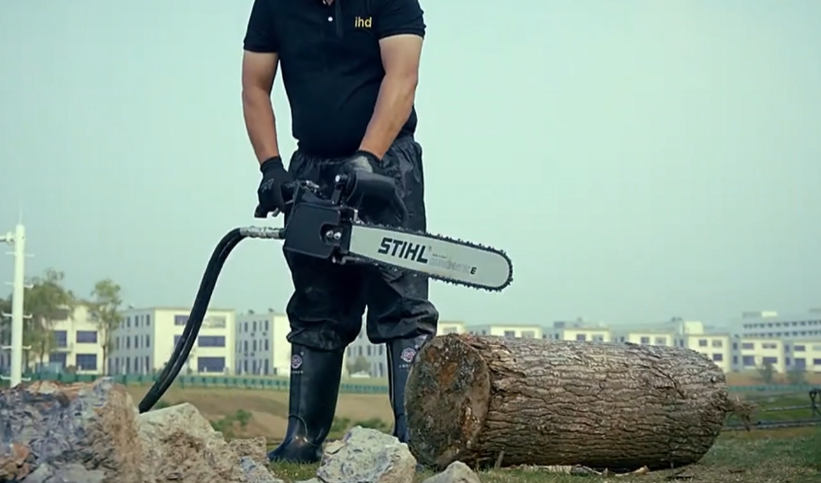
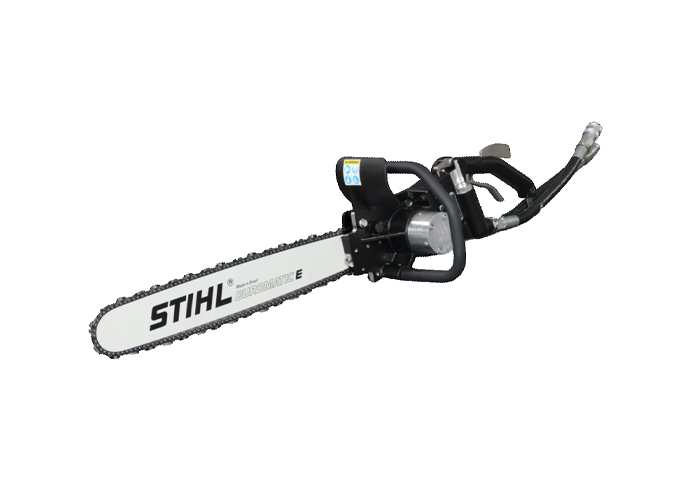
A hydraulic chain saw for wood processor is a compact yet formidable cutting instrument powered by hydraulic power pack rather than fuel or electricity. It is designed for mobility, precision, and endurance. Unlike bulky stationary systems, it can be maneuvered with ease, adapting to the operator’s movements and the irregular geometry of timber.
It feels purposeful in hand. Balanced. Responsive.
Why Mobility Matters in Wood Processing
Wood processing is rarely uniform. Logs differ in size, placement, and orientation. A handheld solution allows operators to approach the material rather than reposition it constantly.
That subtle shift—bringing the tool to the work—transforms efficiency. It reduces downtime and introduces a fluid, almost intuitive workflow.
How Handheld Hydraulic Chain Saws Work
Basics of Hydraulic Power Systems
Hydraulic systems operate by transmitting force through pressurized fluid. This fluid flows from a power source—such as a hydraulic power pack—into the saw’s motor.
The process is controlled. Predictable. Efficient.
Conversion of Pressure into Cutting Force
Once the fluid reaches the motor, it generates rotational energy. This motion drives the chain along the guide bar, producing the cutting action.
The result is smooth, continuous cutting with minimal vibration. Power is delivered with finesse rather than brute force.
Applications in Wood Processing
Where does a hydraulic chain saw for wood processor outperform a standard gas saw?
Firewood Processing Stations: If you have a stationary wood splitter powered by a hydraulic pack, adding a hydraulic saw allows you to “buck” logs without the noise, fumes, and vibration of a gas engine.
Piling and Post Cutting: Because they are submersible, Hydraulic Chain Saw for wood processor is the only choice for cutting wooden bridge pilings or fence posts in flooded or swampy ground.
Utility Clearing: For workers in bucket trucks, the saw plugs directly into the truck’s tool circuit, eliminating the need to haul fuel and pull-start an engine 40 feet in the air.
Key Features to Consider
Weight and Ergonomics
A Hydraulic Chain Saw for wood processor must feel natural. Excessive weight leads to fatigue, reducing precision and increasing risk. Ergonomic design, including grip shape and balance, plays a crucial role.
Comfort enhances performance. Always.
Bar Length and Cutting Capacity
Bar length determines how large a log can be cut in a single pass. Longer bars offer greater capacity but require more hydraulic power.
Choosing the right length is an exercise in balance.
Chain Speed and Torque
Chain speed dictates cutting efficiency. Torque ensures the saw maintains performance under load. Together, they define the saw’s capability.
A harmonious blend of both is essential for optimal results.
Choosing the Right Model
Hydraulic Compatibility
Compatibility with the hydraulic power source is critical. Flow rate and pressure must align with the saw’s specifications.
Mismatch can compromise performance.
Job Requirements and Workload
Consider the nature of the work. Occasional use demands different features than continuous operation.
Define the workload clearly before making a decision.
Environmental Considerations
Dust, moisture, and temperature variations affect performance. Selecting a model designed for specific conditions enhances durability.
Environment shapes equipment longevity.
Common Buying Mistakes
Ignoring Ergonomics
Focusing solely on power while neglecting comfort can lead to operator fatigue and inefficiency.
Ergonomics should never be an afterthought.
Underestimating Power Needs
Choosing a Hydraulic Chain Saw for Wood Processor with insufficient power results in slow cutting and increased strain on the system.
Adequate power ensures smooth operation.
Pricing and Value Considerations
Cost Factors
Price is influenced by build quality, performance capabilities, and brand reputation. Advanced features often command higher costs.
Yet they often justify the investment.
Long-Term Return on Investment
A well-chosen Hydraulic Chain Saw for Wood Processor reduces maintenance costs, improves efficiency, and extends service life.
Value is measured over time, not at the point of purchase.