
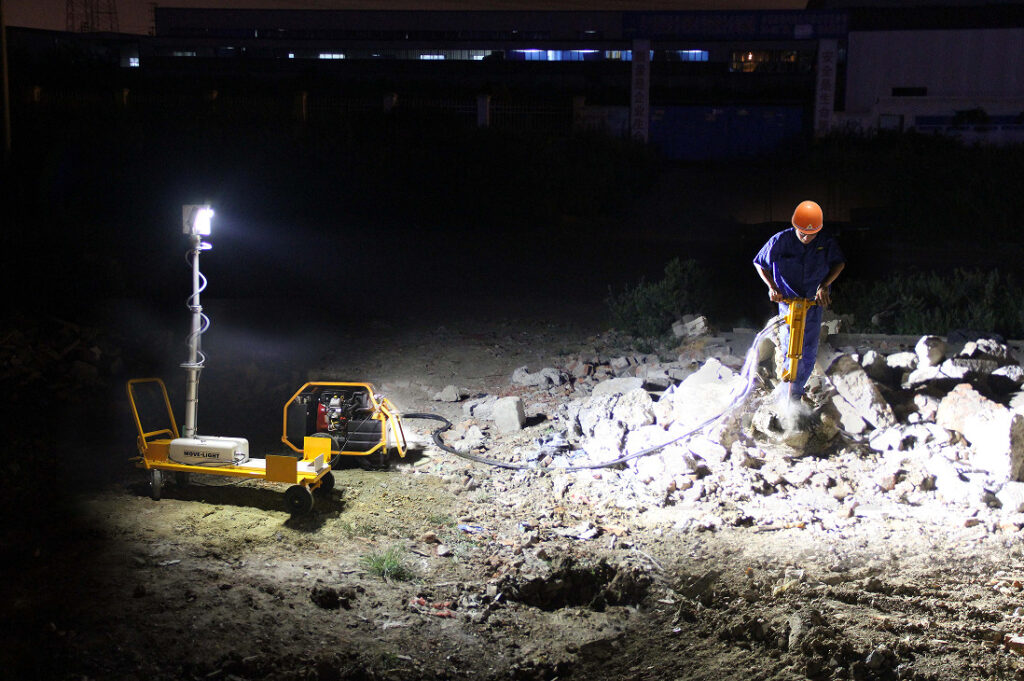
A handheld hydraulic breaker is a portable, hydraulically powered breaker widely used in demolition, mining, road construction, and other fields. The following is an analysis of its advantages and disadvantages:
Table of Contents
ToggleAdvantages
1)High Crushing Capacity
High Impact Energy: The hydraulic system provides powerful instantaneous impact force (up to 3-5 times that of electric or pneumatic tools), making it suitable for crushing hard materials such as concrete and rock.
Continuous Operation: No frequent tool head changes are required, maintaining stable output over time.
2)Energy Saving and Environmental Protection
High Energy Efficiency: The handheld hydraulic breaker has low energy consumption, saving 30%-50% more energy than pneumatic tools.
Low Noise and Vibration: Compared to internal combustion-powered breakers, it offers lower noise and vibration (approximately 70-85 decibels), reducing operator fatigue.
3)Flexibility and Adaptability
Power-Independent: Handheld Hydraulic Breaker can be powered by an excavator, construction vehicle, or portable hydraulic power station, making it suitable for field operations without a power source.
Versatile Application: Interchangeable drill bits (pointed, flat, etc.) adapt to various tasks, including demolition, chiseling, and excavation. High Durability
Overload Resistance: The hydraulic system features built-in overflow protection to prevent equipment damage caused by sticking.
Long-Life Components: Core components (such as the cylinder and piston) are made of alloy steel quenched for excellent wear resistance.
Disadvantages
1)Large Equipment Investment: Handheld Hydraulic Breaker requires a hydraulic power source (such as a hydraulic station or main unit), resulting in higher overall costs than electric or pneumatic tools.
Complex Maintenance: Hydraulic oil requires regular replacement, and aging seals can lead to leaks.
2)Weight and Operating Burden: Large size and weight: A typical handheld hydraulic breaker weighs approximately 15-30 kg, making prolonged operation prone to fatigue (requiring an auxiliary stand or multiple people).
Hydraulic Line Restrictions: Connecting the hydraulic line may limit the range of motion and pose a risk of snagging.
3)Environmental Sensitivity: Temperature Effects: Hydraulic oil viscosity increases at low temperatures, potentially causing starting difficulties; heat dissipation is required in high-temperature environments.
High Cleanliness Requirements: Hydraulic systems are sensitive to oil cleanliness, and dust or moisture contamination can shorten service life. Professional Requirements
4)Training Required: Hydraulic pressure adjustment and oil line connections require specialized personnel. Misuse may cause equipment failure.
How to Determine If It’s the Right Tool
Job Requirements and Material Type
Every task has its own demands. Hardness, thickness, and composition of the material should guide the selection process. A mismatch can lead to inefficiency—or worse, equipment strain.
Cost vs. Efficiency Evaluation
While the upfront cost may seem steep, long-term efficiency often offsets the investment. Faster completion times and reduced operator fatigue contribute to overall productivity gains.
Environmental and Safety Considerations
Certain environments inherently favor hydraulic solutions. Wet conditions, explosive atmospheres, or confined spaces often necessitate tools that prioritize safety without sacrificing performance.
Best Practices for Optimal Performance
Proper Setup and Operation
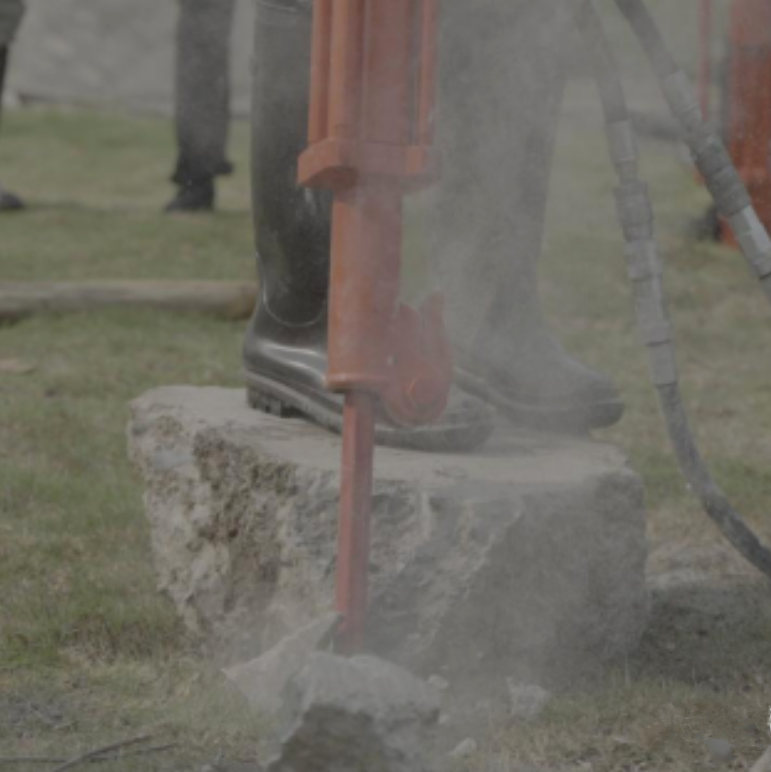
Correct installation of hoses, secure connections, and appropriate pressure settings are fundamental. Neglecting these basics can compromise both safety and efficiency.
Routine Maintenance and Inspection
Preventive maintenance is not optional—it is essential. Regular checks ensure that components remain in optimal condition, reducing the likelihood of unexpected downtime.
OOperator Training and Safety Measures
Even the most advanced tool is only as effective as its operator. Proper training enhances precision, minimizes wear, and ensures safe handling. Competence transforms capability into excellence.
Conclusion
Handheld hydraulic breakers occupy a distinctive niche in the world of demolition tools. They offer a compelling synthesis of power, control, and safety. Yet, they are not without limitations. Understanding both their strengths and their constraints allows for judicious application. In the right hands, and under the right conditions, they are nothing short of transformative.