
TPB90 Pneumatic Breaker
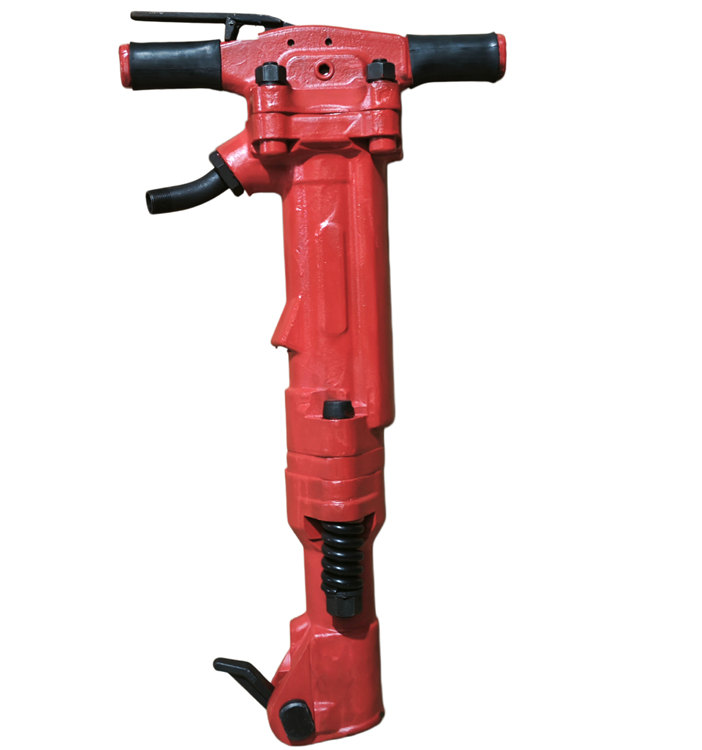
TPB90 Pneumatic Breaker
Product Details:
- Product Type: TPB90 Pneumatic Breaker
- Weight: 42kg
- Length: 723mm
- Piston diameter: 66.67mm
- Piston stroke: 152mm
- Air consumption: 2.2 m³/min
- Impact frequency: 1400b.p.m
- Air pipe inner diameter: 19mm
- Flux tail specification: 32X160mm
- Inlet size: 3/4P/T
Introduction to the TPB90 Pneumatic Breaker
The TPB90 Pneumatic Breaker stands as a formidable tool in the realm of heavy-duty construction equipment. Designed for relentless performance, it thrives in environments where precision meets brute force.
A pneumatic breaker, at its core, converts compressed air into kinetic energy. The TPB90 elevates this principle. It delivers consistent, high-impact blows that make short work of concrete, asphalt, and rock.
From bustling urban job sites to remote quarry operations, this machine has carved out a reputation for resilience. It is not merely a tool—it is an indispensable ally in demanding applications.
How Pneumatic Breakers Work
At the heart of the Pneumatic breaker lies a deceptively simple yet highly efficient mechanism. Compressed air enters the system, driving a piston in rapid reciprocation. This motion generates powerful удар-like impacts transmitted directly to the chisel.
The elegance of this system is its minimalism. Fewer electrical components mean fewer failure points. Reliability increases. Downtime diminishes.
Compared to electric breakers, pneumatic systems are less susceptible to overheating. When placed alongside hydraulic alternatives, they offer a lighter, more maneuverable solution. Efficiency, in this context, becomes almost self-evident.
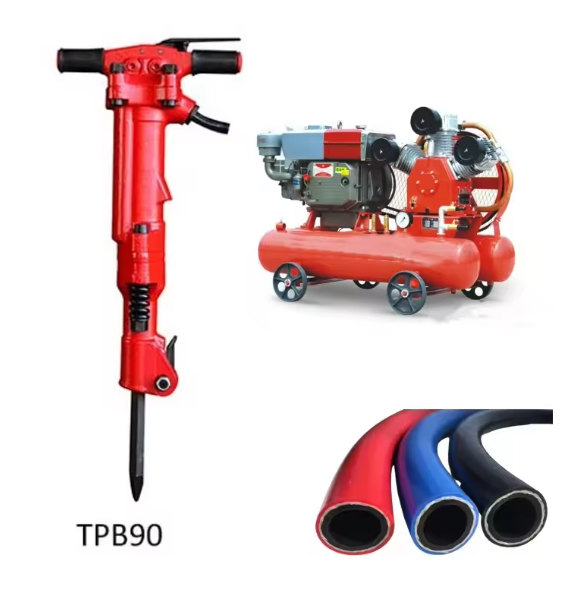
Key Features of the TPB90 Pneumatic Breaker
Power defines the TPB90 Pneumatic Breaker, but nuance refines it.
Its high-impact energy output ensures rapid material fragmentation. Even the most stubborn substrates yield under repeated strikes. The internal components are forged from wear-resistant alloys, lending the machine exceptional durability.
Ergonomics have not been neglected. Carefully positioned handles reduce operator fatigue. Vibration-dampening features subtly improve comfort during prolonged use. The result is a harmonious blend of strength and usability.
Technical Specifications and Performance
Performance metrics reveal the true character of any industrial tool. The TPB90 Pneumatic Breaker does not disappoint.
Operating within a defined air pressure range, it maintains a steady rhythm of impacts. Air consumption is optimized to balance power with efficiency. This ensures that compressors are not overburdened, even during extended operation.
Its weight, while substantial, contributes to stability. Operators experience controlled handling rather than unwieldy force. Impact frequency remains consistent, a crucial factor in achieving uniform breakage.
Light Weight High Drilling Efficiency: Ideal for efficient work in various environments.
Wide Range of Applications: Suitable for concrete breaking, demolition, and road construction.
Durable Design: Engineered to withstand tough conditions and long-term use.
Multiple Impact Energies: Offers adjustable energy levels for versatile use.
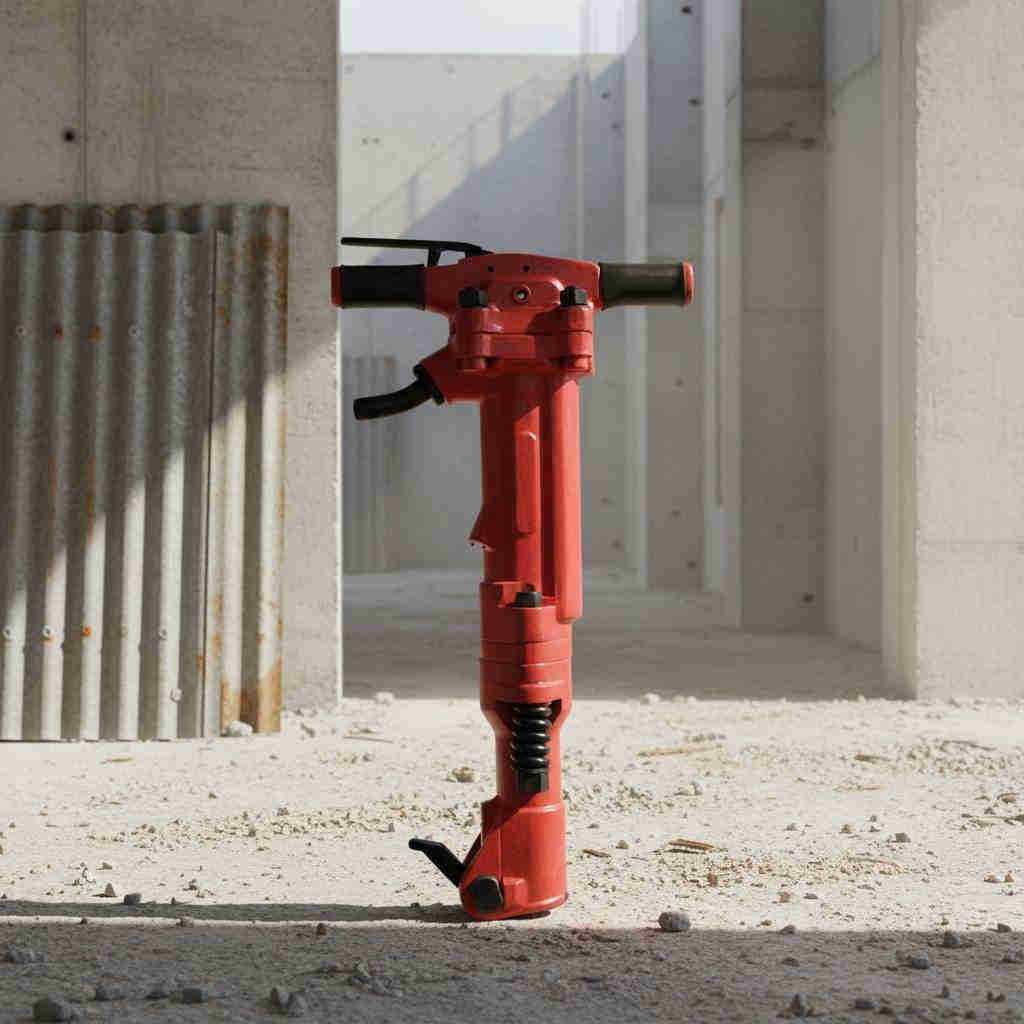
Applications Across Industries
Versatility is one of the TPB90 pneumatic breaker’s most compelling attributes.
In road construction, it dismantles aged asphalt with remarkable ease. The tool excels in maintenance work, where precision demolition is required.
Mining operations benefit from its rugged construction. It performs reliably in dust-laden, high-impact environments. Quarry workers, too, appreciate its ability to fracture dense rock formations efficiently.
Demolition projects, whether large-scale or localized, rely on its dependable performance. It is a tool that adapts. Seamlessly.
Advantages of Choosing the TPB90 Pneumatic Breaker
The TPB90 pneumatic breaker offers a compelling value proposition.
Its cost-effectiveness stems from durability and low maintenance requirements. Fewer breakdowns translate into reduced operational costs.
It thrives in harsh environments where other tools falter. Dust, moisture, and temperature fluctuations pose minimal threat.
Over time, the return on investment becomes evident. Reliability, after all, is a currency of its own.
Safety Considerations
Safety is not optional. It is integral.
Operators must equip themselves with appropriate protective gear—helmets, gloves, eye protection, and hearing defenders. The noise levels alone necessitate vigilance.
Potential hazards include flying debris and vibration-related fatigue. Awareness mitigates risk. Controlled operation reduces the likelihood of accidents.
A disciplined approach ensures that productivity does not come at the expense of well-being.