
1.Understanding the Hydraulic Water Pump
1.1 What Is a Hydraulic Water Pump
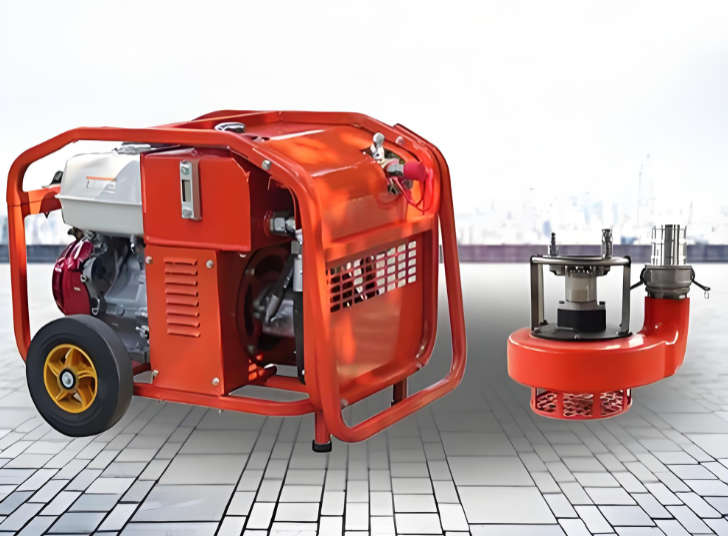
A hydraulic water pump is a fluid-driven designed to move water using pressurized hydraulic energy rather than direct electrical input. Instead of relying on an electric motor at the pump head, it uses hydraulic flow generated elsewhere—often from a power pack, excavator, or skid steer.
It is compact. Rugged. Decisively efficient.
This configuration allows the pump to operate where electricity may be unreliable, unsafe, or simply unavailable. For demanding environments, that difference matters more than most people realize.
1.2 Key Components That Make It Reliable
Durability is not accidental. It is engineered.
A hydraulic water pump typically consists of:
-
A hydraulic motor
-
An impeller or pumping mechanism
-
Seals designed for high-pressure environments
-
Heavy-duty housing resistant to corrosion
These components are built to endure abrasion, sediment-laden water, and continuous duty cycles. The result is a machine that thrives in adversity rather than falters under it.
2. Power and Performance Advantages
2.1 High Torque and Consistent Output
Hydraulic systems excel at delivering torque. Even under fluctuating loads, output remains stable and predictable.
No sputtering. No dramatic power drops.
This consistency is particularly valuable in dewatering operations where steady flow prevents flooding setbacks and project delays.
2.2 Superior Performance in Remote Locations
Remote job sites often present logistical challenges. Power grids are absent. Generators are cumbersome. Weather conditions are unpredictable.
A hydraulic water pump bypasses these obstacles by tapping into existing hydraulic systems on machinery already present onsite. One energy source. Multiple functions. Greater efficiency.
2.3 Handling Heavy-Duty Applications with Ease
From slurry transfer to large-scale drainage, hydraulic pumps are designed for arduous tasks. Their robust architecture tolerates particulate matter and sustained operation without overheating as quickly as some electric counterparts.
They are not delicate instruments. They are industrial workhorses.
3. Versatility Across Industries
3.1 Construction and Civil Engineering
Excavations fill with groundwater. Trenches flood. Foundations require dry conditions.
In construction, a hydraulic water pump becomes indispensable. It integrates seamlessly with excavators and loaders, enabling immediate response to water intrusion without additional power infrastructure.
3.2 Mining and Industrial Operations
Mining environments are abrasive and unforgiving. Water management is critical to safety and productivity.
Hydraulic water pumps withstand particulate-heavy fluids and continuous operation, making them ideal for mine dewatering and processing facilities. Reliability here is not optional—it is existential.
3.3 Emergency Flood Control and Municipal Use
When floods strike, speed is everything. Hydraulic pumps can be rapidly deployed and powered by mobile hydraulic units, offering municipalities a responsive and resilient solution for emergency water removal.
In crisis scenarios, adaptability saves both time and resources.
4. Efficiency and Cost Benefits
4.1 Reduced Energy Loss
Hydraulic systems are engineered for efficient power transmission over distance. Energy loss through hydraulic lines is often lower than expected, particularly when compared to improvised electrical setups in rugged environments.
Efficiency translates directly into operational savings.
4.2 Lower Maintenance Demands
With fewer electrical components exposed to water, the risk of short circuits or insulation failures diminishes. Maintenance focuses primarily on hydraulic fluid integrity and seal condition—both predictable variables.
Fewer surprises. Less downtime.
5. Safety and Durability in Tough Conditions
5.1 Operating in Wet and Harsh Environments
Water and electricity are rarely compatible allies. Hydraulic systems, however, thrive in saturated conditions.
Because the power source is isolated, the pump itself can operate submerged or in persistent moisture without the same electrical hazard concerns.
5.2 Reduced Electrical Hazards
By eliminating electric motors at the pump head, the risk of shock or grounding complications decreases substantially. This is especially critical in confined spaces or unstable terrain.
Safety is engineered, not improvised.
5.3 Built for Longevity
Corrosion-resistant materials, reinforced housings, and high-grade seals ensure that hydraulic water pumps endure continuous operation. They are constructed with industrial pragmatism in mind—meant to survive, not merely function.