
The Integration Standard: EHTMA Categories
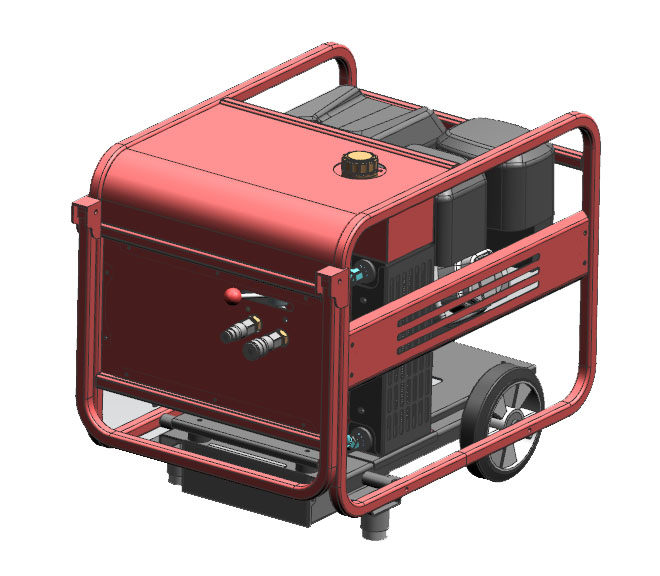
13 HP hydraulic power pack are designed to meet EHTMA (European Hydraulic Tool Manufacturers’ Association) standards, specifically Category C. This ensures that any tool you buy from any major brand (Stanley, Atlas Copco, Hycon, etc.) will plug directly into your hydraulic power pack without compatibility issues.
-
20 LPM (5 GPM) Mode: Used for smaller breakers, core drills, and pruners.
-
30 LPM (8 GPM) Mode: Used for heavy 30kg breakers, 4″ trash pumps, and high-speed diamond saws.
The “Workflow” Integration
Multi-tool integration isn’t just about the tools—it’s about the sequence of work. A 13 HP hydraulic power pack unit allows for a seamless transition between phases of a project:
-
Phase 1 (Break): Attach a 60lb Hydraulic Breaker to open a concrete slab or asphalt road.
-
Phase 2 (Pump): Swap the breaker for a 3″ Submersible Trash Pump to dewater the trench you just opened.
-
Phase 3 (Cut): Use a Hydraulic Cut-off Saw to trim a replacement pipe or adjust a concrete curb.
-
Phase 4 (Restore): Attach a Hydraulic Tamper or Post Driver to finish the installation.
Key Integration Features
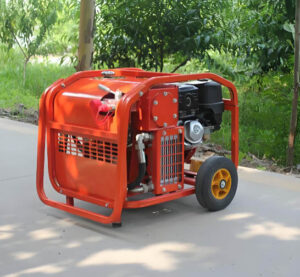
To make multi-tool work successful, a 13 HP hydraulic power pack unit must have specific “Integration Hardware”:
-
Flow Control Valve: A simple lever or dial that switches the GPM output. This prevents a smaller tool (like a pruner) from being overwhelmed by the full 8 GPM output intended for a pump.
-
Power on Demand (POD): High-end 13 HP hydraulic power pack unit feature a throttle system that only revs the engine when the tool’s trigger is pulled. This saves fuel and reduces noise when you are switching between tools.
-
Flat-Face Quick Couplers: These allow you to swap tools without shutting down the engine (though it is safer to do so) and ensure zero oil leakage during the exchange.
Comparison: The Integrated Toolkit
| Tool Integrated | Application | Why Hydraulic Integration Wins |
| Breaker (60lb) | Heavy Demolition | More impact energy per gallon of fuel than air. |
| Submersible Pump | Dewatering | Can run “dry” without damage and has no electric shock risk. |
| Diamond Chain Saw | Concrete Cutting | Instant torque; no exhaust fumes for indoor work. |
| Impact Wrench | Rail/Bridge Bolts | Constant torque that doesn’t “fade” like battery or air. |
| Earth Auger | Fencing/Signage | Reverse-rotation feature to easily back out of tough roots. |
Choosing the Right Configuration
Matching tools with 13 HP hydraulic power pack unit
Not all tools require the same flow rate or pressure. Selecting the right configuration ensures optimal performance.
Compatibility is key. A mismatch can lead to inefficiency or even equipment damage.
Flow rate and pressure considerations
Hydraulic systems operate within specific parameters. Flow rate determines speed, while pressure dictates force.
Balancing these variables is essential. Too much or too little of either can compromise performance.
Maintenance and long-term reliability
Durability is not just about construction. It is about care. Choosing a unit with accessible components and straightforward maintenance requirements can extend its lifespan considerably.
Reliability, after all, is built over time.
Pro-Tip for Integration: The “Heat Factor”
When integrating multiple tools over a full workday, watch your Hydraulic Oil Temperature. Running a high-flow pump for several hours generates more heat than intermittent breaker use. Ensure your 13 HP hydraulic power pack unit has an integrated oil cooler with a fan to maintain the oil’s viscosity. If the oil gets too hot, your tools will lose power and your seals will age prematurely.