
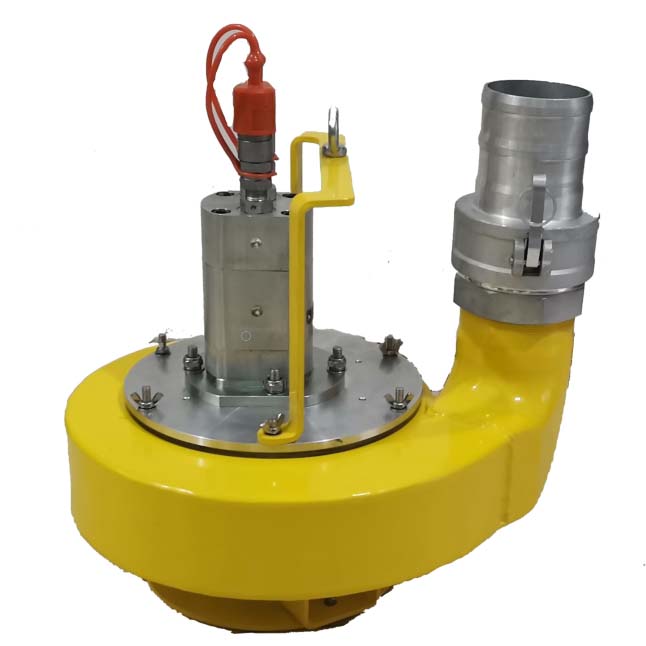
Why Analyse Hydraulic sludge pump pressure and head
Here is a breakdown of how these two forces interact in a hydraulic sludge pump.
When moving thick, viscous material like industrial sludge or municipal waste, the physics of pumping changes dramatically. Unlike clear water, sludge creates significant internal friction, meaning the relationship between Pressure and Head Capacity is the most critical factor in your system’s success.
Managing a hydraulic sludge pump requires a shift in perspective from standard water pumping. In this ecosystem, Pressure and Head are the two levers you manipulate to overcome the physical resistance of “heavy” fluids—like thick silt, industrial waste, or municipal sludge.
Defining the Terms: Pressure vs. Head
While they are related, they represent two different sides of the pumping equation:
-
Pressure (PSI/Bar): This is the “force” the hydraulic motor provides to the pump’s impeller. In hydraulic systems, Pressure = Torque. If you are pumping “heavy” sludge (high density), you need more pressure to force the impeller to turn through the muck.
-
Head Capacity (Feet/Meters): This is the vertical height the pump can push the liquid. In hydraulic submersibles, the pump “pushes” from the bottom, meaning it can achieve a much higher Total Dynamic Head (TDH) than a surface pump that tries to “suck” the liquid up.
The “Sludge Factor”: Why Viscosity Matters
Standard pump curves are calculated using water. When you switch to sludge, you encounter Friction Loss.
- The Problem: Sludge is “thicker” (more viscous) and often contains “solids by weight” (up to 70%). As this material moves through a pipe, it rubs against the walls, creating resistance.
- The Hydraulic Solution: To overcome this friction, you must increase the hydraulic pressure. While an electric pump might “trip” a breaker if the sludge gets too thick, a hydraulic pump will simply use more of the available PSI from the Power Pack to maintain its RPM.
Understanding the “Pump Curve”
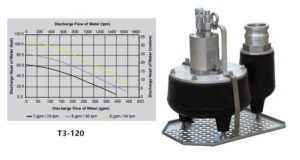
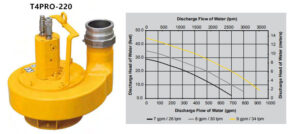
Every hydraulic sludge pump has a performance curve that shows the relationship between Flow (GPM) and Head (Feet).
| Condition | Performance Impact |
| High Head (Vertical Lift) | Flow (GPM) decreases as the pump works harder to push the weight of the water column. |
| Low Head (Flat Ground) | Flow (GPM) increases, allowing the pump to move maximum volume. |
| High Viscosity (Thick Sludge) | Effectively “adds” to the Head. Pumping thick mud 10 feet vertically might require the same pressure as pumping water 50 feet vertically. |
Components That Affect Head Capacity
The Agitator (The “Secret Weapon”)
High-quality hydraulic sludge pumps often feature an Agitator—a secondary impeller at the intake.
-
Function: It stirs up settled solids, turning them into a “fluid” state.
-
Impact: By fluidizing the sludge before it enters the main impeller, it reduces the torque required to move the material, effectively increasing your head capacity.
The Return Line (Backpressure)
In hydraulic systems, if the Return Hose (the one going back to the tank) is too small, it creates backpressure.
-
Impact: This “robs” the pump of its pressure. If you have 2,000 PSI at the power pack but 500 PSI of backpressure in the return line, you only have 1,500 PSI of actual “working” pressure to move the sludge.
Practical Calculation: Total Dynamic Head (TDH)
To choose the right Hydraulic sludge pump, you must calculate the TDH, which consists of:
-
Static Head: The actual vertical distance from the pump to the discharge point.
-
Friction Head: The “invisible” height added by the length of the hoses and the thickness of the sludge.
-
Pressure Head: The pressure required at the end of the hose (e.g., if discharging into a pressurized tank).
Pro Tip: Always upsize your discharge hose when pumping sludge. A 4-inch hose has significantly less friction loss than a 3-inch hose, meaning more of your hydraulic power goes into moving the material rather than fighting the pipe.